 ultimate-guide
Small Group Fitness Training Benefits for Real Results
Quick Summary
Small group fitness training benefits include personalized form correction, built-in accountability, and a supportive peer community. At Xtreme Advantage, sessions are 30 minutes long with a maximum of three clients, so the coach can watch every rep and adjust the workout for each person.
- Sessions run 30 minutes with a three-client maximum.
- Coaches can watch every rep and correct form in real time.
- Workouts scale to individual ability, including injury-friendly swaps.
- Fixed group schedules make skipping sessions more visible and harder.
- Small group training suits most general goals; rehabilitation may need a private plan.
Table of Contents
- What Small Group Training Actually Looks Like
- Key Benefits of Small Group Training
- Small Group Training vs Personal Training
- How Much Small Group Personal Training Costs
- Choosing the Right Group Size and Coach Ratio
- What to Expect in Your First Small Group Session and Beginner Exercises
- Booking Your First Small Group Session at Xtreme Advantage
- Frequently Asked Questions
Small group fitness training benefits are easier to see once you know what a session actually looks like, so let's start there. At Xtreme Advantage Personal Training, small group sessions are 30 minutes long and capped at three clients, which keeps the coach close enough to correct form in real time. (Source: physical activity guidelines)
Most people picture a crowded room of strangers chasing a drill sergeant. A typical session here is quieter and more personal: a warm-up, a set of total-body circuits, and a cool-down, with the coach moving between three people rather than shouting at thirty. Thirty minutes of focused, high-intensity work can be a very effective total-body metabolic workout, and it fits around a demanding schedule more easily than an hour-long class.
What Small Group Training Actually Looks Like
A small group session pairs structured programming with enough supervision to keep each person safe. Everyone in the group works through the same general pattern, but the coach adjusts load, range of motion and pace for each individual. That adjustment is where the format earns its keep.
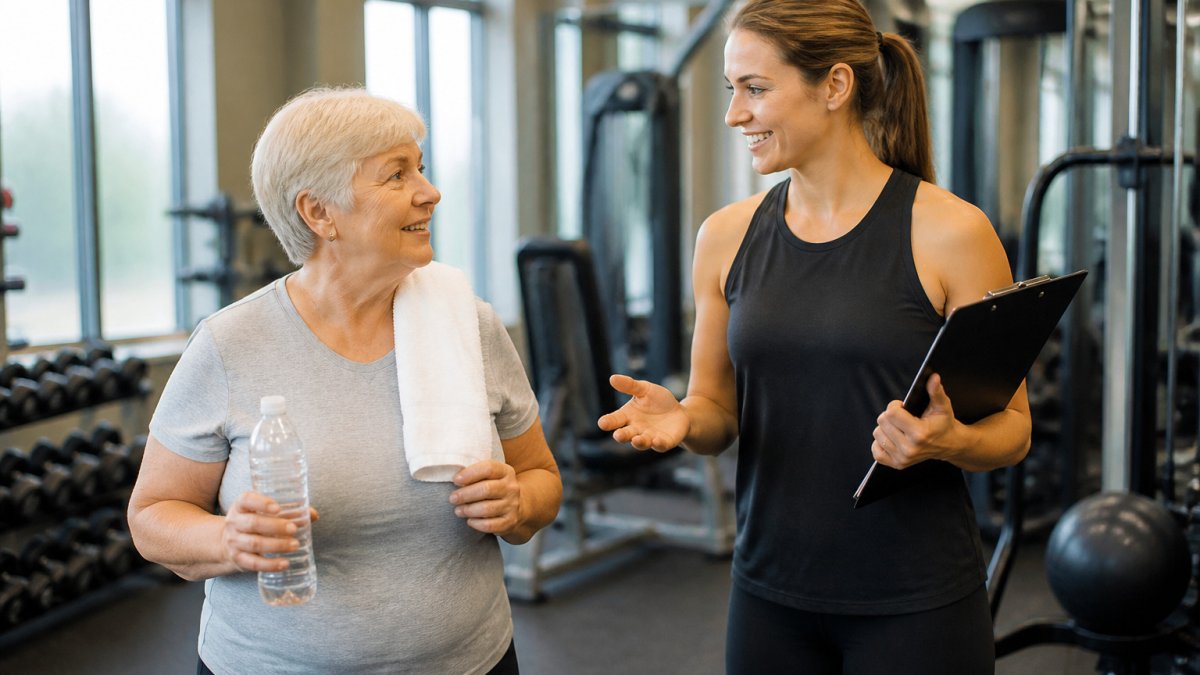
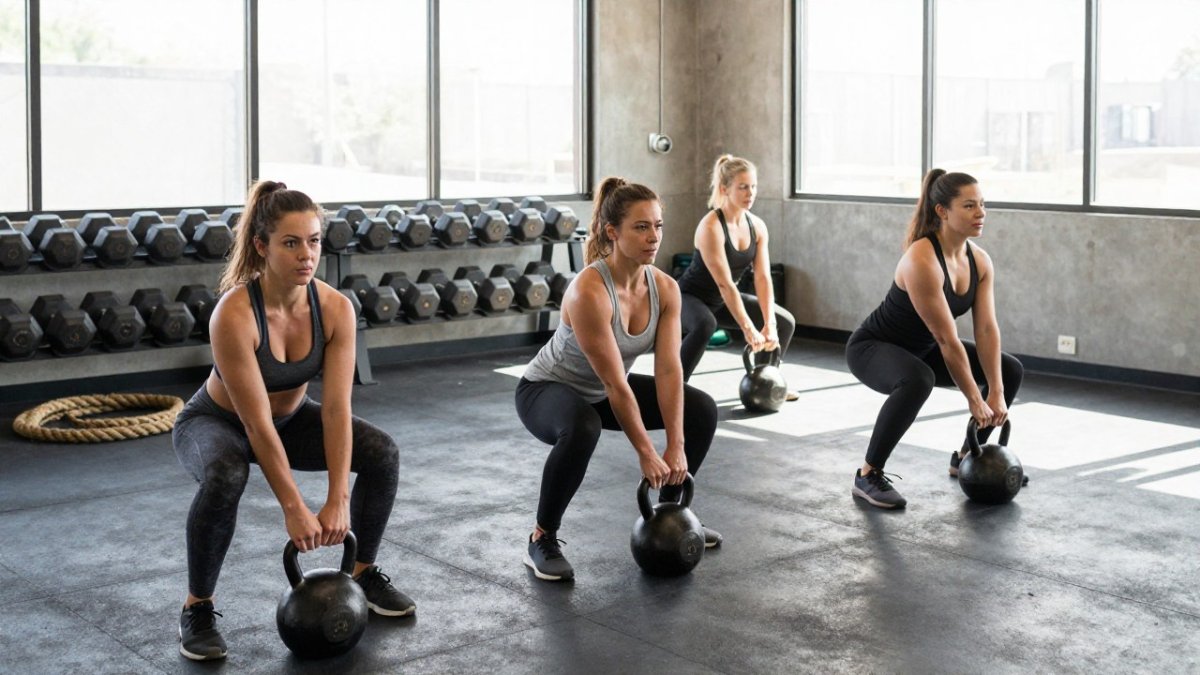
Expect three basic phases. The warm-up raises heart rate and loosens the joints you will use. The main block cycles through strength and conditioning movements such as squats, rows, presses and carries, with timed rounds that keep the pace up. The cool-down brings heart rate down and includes mobility work. Because the group is small, the coach can see every rep and step in when technique slips.
Key Benefits of Small Group Training
Small group fitness training benefits come from three sources: attention, accountability and community. Each one addresses a common reason people quit exercise programs.
Personalized Attention and Form Correction
Form is the first thing a small group coach watches. With three clients instead of twenty, the coach can catch a rounded lower back on a deadlift or a knee collapsing inward on a squat and correct it before it becomes a habit or an injury. This matters most for beginners and for anyone who needs modifications rather than a one-size-fits-all workout.
Personalized attention also means the workout changes as you progress. A client recovering from a shoulder problem can swap an overhead press for a landmine variation without leaving the group. A more advanced member can add load to the same movement. You stay in the same session while the work fits your ability.
Accountability, Motivation and Camaraderie
Showing up is the hardest part of any fitness plan, and small groups make it easier. When the same three people expect you at the same time, skipping a session has a visible cost. The coach notices absences, and the other members do too.
The group also provides encouragement that is hard to manufacture alone. Seeing a training partner finish a round you thought was impossible raises your own effort. Many people find that the sense of shared effort makes hard sessions more enjoyable and keeps them coming back for months rather than weeks.
Small Group Training vs Personal Training
Choosing between small group and one-on-one coaching depends on your budget, goals and how much you want to be pushed by others. The table below summarizes the main differences between small group training, personal training and large group classes.
| Factor | Small Group Training | Personal Training | Large Group Class |
|---|---|---|---|
| Participants per coach | Up to 3 | 1 | 10 to 30 or more |
| Form correction | Frequent, individualized | Constant, fully individualized | Limited |
| Typical cost | Lower per session | Highest per session | Often lowest per class |
| Community and motivation | Strong, close-knit | Depends on you | Energetic but anonymous |
| Best for | Motivated people who like peers | Fast progress, specific goals | Self-directed exercisers |
Pros of small group training:
- Lower cost per session than private coaching
- Close attention to form at a fraction of the crowd size
- Built-in accountability and a supportive peer group
- Short sessions that fit a busy calendar
Cons of small group training:
- Less individual attention than a private session
- Schedules are fixed, so you must attend at set times
- Some people prefer working out without other people watching
- Progress depends partly on the group's pace
Small group training is not the right fit for everyone. If you need highly specialized rehabilitation, a private format with a dedicated plan is usually the safer starting point.
How Much Small Group Personal Training Costs
Pricing depends on session length, how many sessions you buy at once, and whether you commit to a recurring schedule. Xtreme Advantage Personal Training offers small group sessions, personal training, boot camp classes and virtual options. For current rates and packages, contact the studio directly.
When you compare costs, do the math on a per-session basis rather than the package total. Consistency is what drives results, so the format that keeps you showing up three times a week usually beats the one you can only afford once a week.
Ask what the price includes before you commit. A good small group rate covers the coach's attention on every rep, programming that adjusts to your ability, and a group size small enough for real feedback.
Discounts for military members, first responders and seniors are available, so ask about them when you call. Virtual sessions give you live coaching access when you cannot make it in person, delivered over Zoom with direct verbal interaction.
Choosing the Right Group Size and Coach Ratio
Group size shapes the experience more than most buyers expect, and the coach-to-participant ratio is the single best predictor of how much individual attention you will actually get. A ratio of one coach to three clients keeps attention high while still providing the peer effect that drives motivation. Larger groups spread the coach thin and reduce the number of form checks each person receives.
Use these practical criteria to judge any small group program before you join:
- Can the coach see every rep? In a group of three, a coach can watch each person through a full set and correct technique in real time. In a group of eight or more, the coach is managing the room, not your form.
- How many form corrections per session? Ask current members or observe a session. If you see the coach give each person at least two or three specific cues per workout, the ratio is working. If corrections are general and shouted to the room, it is closer to a class.
- Can the workout be modified on the spot? A good small group coach can swap an exercise for a shoulder-friendly variation or add load for a stronger member without disrupting the group. Ask how modifications are handled.
- Is the group matched by ability or goal? Mixed-ability groups work when the coach scales each movement. Groups matched by goal, such as strength or conditioning, often feel more focused.
- What happens when someone is injured? The coach should have a clear process for screening injuries before the first session and adapting exercises during the workout.
A group of two can feel more intense and private, while a group of three balances personal feedback with camaraderie. Choose the setup where you can hear the coach's corrections and still feel part of the team.
Small group training is not the right fit for everyone. If you need highly specialized rehabilitation, medical supervision, or a plan built around a complex condition, a private format with a dedicated plan is usually the safer starting point. The same is true if you are training for a specific sport skill that requires one-on-one technical coaching. For most general fitness goals, a well-run small group gives you most of the coaching benefit at a lower cost.
Watch out: a program that advertises a small group but regularly runs six or more people per coach is not delivering the individualized attention the format promises, so confirm the actual cap before you pay.
What to Expect in Your First Small Group Session and Beginner Exercises
Your first session is a gentle introduction, not a test. You should leave feeling challenged but not wrecked.
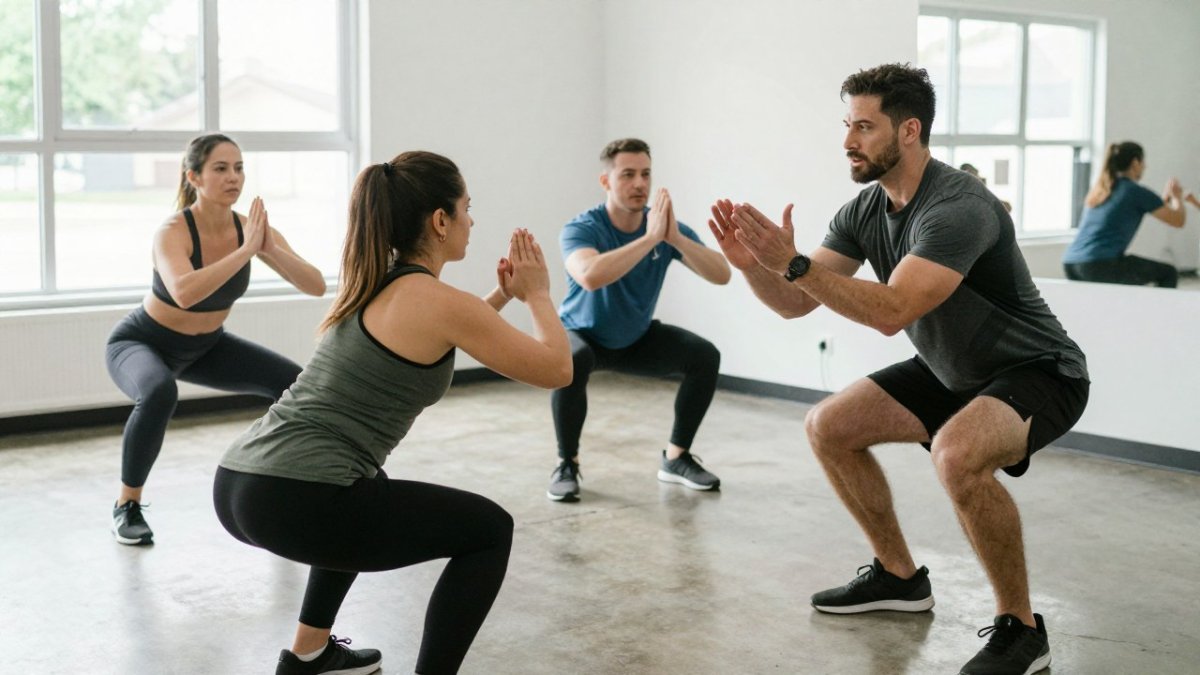
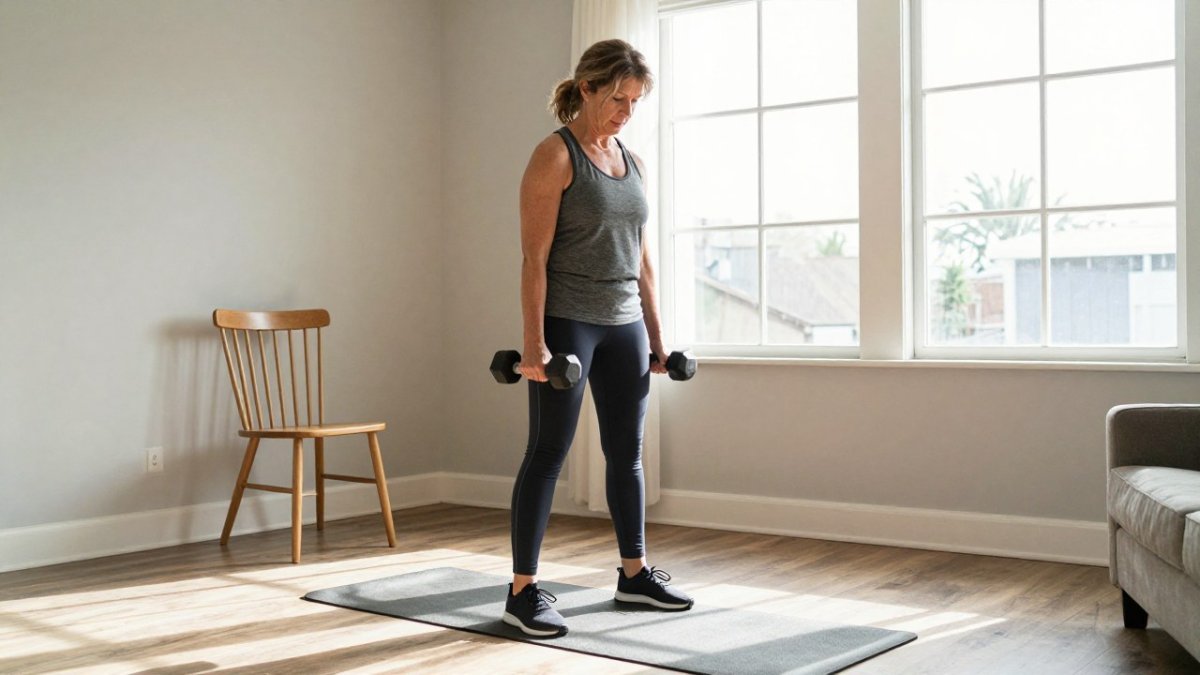
Beginner-friendly exercises commonly used in small group settings include bodyweight squats to a box, incline push-ups, glute bridges, band-assisted rows and marching or step-ups for conditioning. Each movement can be scaled down or built up, so the same circuit works for a first-timer and a returning exerciser.
Expect some soreness in the following days, especially if you have been inactive. Mild muscle soreness is normal, but sharp joint pain, chest discomfort, dizziness or shortness of breath beyond what the exercise should cause means you should stop and seek medical advice. If you have health conditions, speak with your doctor before starting any new program.
Booking Your First Small Group Session at Xtreme Advantage
If you want to see whether small group training suits you, the easiest next step is to book a session. Xtreme Advantage Personal Training runs small group classes in Roseville, MI, with a three-client maximum so every member gets real coaching. If you can't make it in person, you can also try virtual training, which is delivered live over Zoom with direct verbal interaction.
New clients can check the new client special offer before booking a first session.
Frequently Asked Questions
What is the difference between group fitness and small group training?
Group fitness classes can hold large numbers of participants following one instructor through the same routine. Small group training at Xtreme Advantage Personal Training is capped at three clients, so a coach can watch each person's form, adjust exercises to individual fitness levels and track progress more closely. The workouts are 30 minutes, built around high-intensity intervals that work the total body. Because the group stays small, beginners often find it easier to ask questions and keep pace than in a crowded class.
Is small group training effective for weight loss?
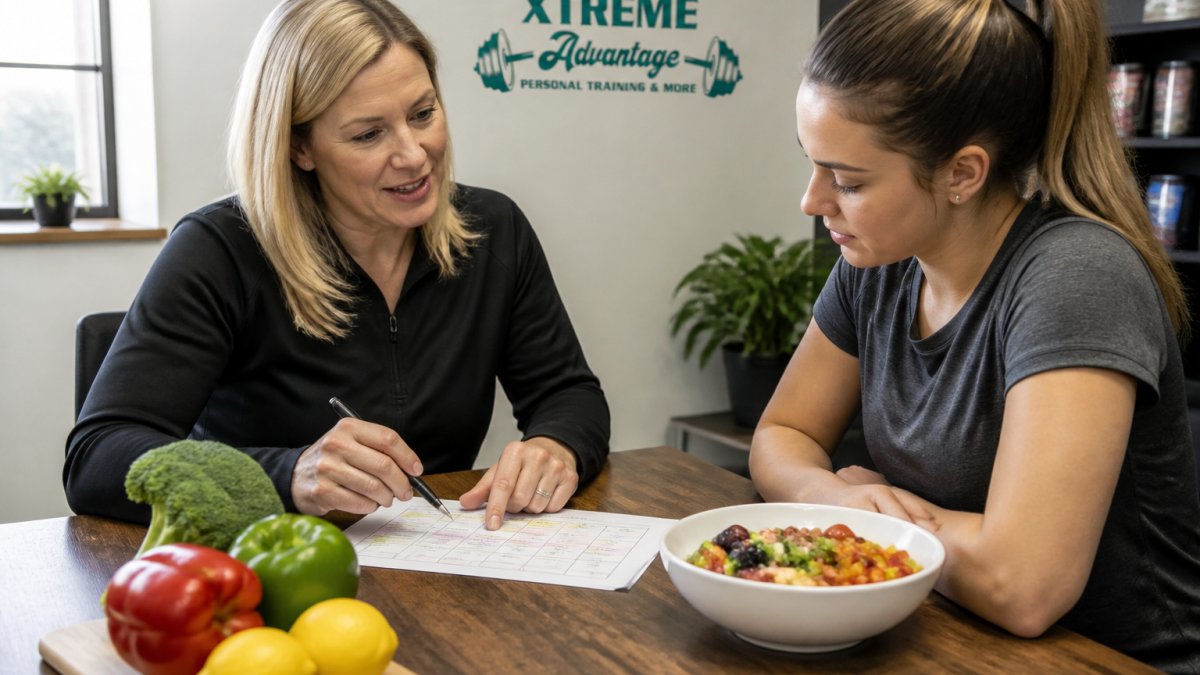
Small group training can support weight loss when it is part of a consistent routine. The 30-minute total-body workouts at Xtreme Advantage use high-intensity intervals, which are designed to raise metabolism and endurance. Results depend on attendance, effort, and nutrition habits, so the programs include nutritional guidance alongside training. Individual outcomes vary, and anyone with a medical condition should check with a qualified healthcare professional before starting a new exercise program.
Does small group training provide the same results as personal training?
Small group and one-on-one personal training can both build strength, endurance and body composition, and the right choice depends on your goals and budget. Personal training offers the most individual attention, with 30- and 60-minute session options. Small group training provides coaching and accountability, and the group setting adds motivation. Many people start with small group sessions and add personal training when they need more targeted work.
How many people are typically in a small group training session?
At Xtreme Advantage Personal Training, small group training is limited to three clients per session. That small size lets the trainer monitor form, modify exercises for each person and respond to questions during the workout. Smaller groups also make it easier to stay accountable, since each participant is noticed when they miss a session or fall behind. Other studios may use different group sizes, so ask about the coach-to-participant ratio before you enroll.