 how-to
Affordable Personal Training in Roseville: A Beginner's Guide
Last Updated: October 23, 2026
Quick Summary
Affordable personal training Roseville in Michigan provides accountability and precision coaching without premium pricing. Small group training, virtual sessions, and package discounts can lower costs while maintaining personalized attention and faster progress than solo workouts.
- Two sessions per week is sustainable for most beginners and produces meaningful progress over 8-12 weeks.
- Small group training costs 30-50% less than one-on-one sessions while preserving individual form correction.
- Package discounts, virtual training, and split sessions with a partner are practical ways to reduce personal training costs.
- Ask trainers upfront about certifications, progress measurement methods, cancellation policies, and whether nutrition guidance costs extra.
- Start with a 4-week commitment to build the habit before signing longer packages.
Table of Contents
- Why Affordable Personal Training Works Better Than Going Solo
- Understanding Personal Trainer Cost and What Affects Your Budget
- Small Group Personal Training: A Lower-Cost Alternative to One-on-One Sessions
- How Often to See a Personal Trainer for Real Results
- Questions to Ask a Personal Trainer Before You Sign Up
- Five Ways to Lower the Cost of Personal Training
- Getting Started: Your First Steps to Finding a Trainer
- Frequently Asked Questions
Why Affordable Personal Training Works Better Than Going Solo
Working with a personal trainer changes how you approach fitness. Solo workouts leave room for guesswork, wrong form, inconsistent effort, unclear progress. A trainer catches these mistakes in real time and adjusts your program as you improve.
Affordable personal training Roseville in Michigan gives you accountability without the premium price tag. You show up because someone is expecting you. You push harder because someone is watching. You progress faster because someone knows exactly what your body can handle today and what it needs to handle tomorrow.
The real advantage isn't just motivation. It's precision. A trainer spots the small adjustments, a knee angle, a breathing pattern, a tempo change, that separate an effective workout from one that wastes your time. For beginners especially, these details matter more than intensity.
Understanding Personal Trainer Cost and What Affects Your Budget
Personal trainer cost varies based on several factors: session length, trainer experience, session format (one-on-one versus small group), and whether training happens in-studio, at your home, or online. Rather than quote a single number, it helps to understand the ranges you are likely to see and what moves you up or down within them.
Several factors push your rate up or down:
- Session length. A 30-minute session typically costs less than a 60-minute session, but the per-minute rate may be higher. Ask for the per-minute math so you can compare fairly.
- Trainer experience and credentials. Trainers with specialized certifications or proven track records with specific goals, such as athletic conditioning or post-injury rehabilitation, often justify premium pricing.
- Format. One-on-one commands the highest rate because the trainer's full attention is on you. Small group and virtual formats lower the per-person cost.
- Location and overhead. Studios with higher rent and equipment costs tend to charge more than trainers who work in-home or online.
- Commitment level. Many trainers offer package discounts for multi-week commitments, and some provide introductory rates for new clients.
The best approach is transparent: ask trainers upfront about their rates, what is included in sessions, and whether they offer package discounts. Some studios offer lower rates for multi-week commitments. Others provide introductory rates for new clients to let you test compatibility before committing to ongoing sessions. Get the full price in writing, including any assessment fee, cancellation terms, and whether nutrition guidance or program design costs extra.
Small Group Personal Training: A Lower-Cost Alternative to One-on-One Sessions
Small group personal training keeps costs down while preserving customization. Most studios cap groups at three clients, which means your trainer still provides individual attention without the one-on-one price tag.
This format works especially well for beginners. You're not alone figuring out form, you have peers going through the same learning curve. The trainer can still modify exercises for each person's level and needs. One client might do a modified push-up while another does the standard version, all in the same session.
The group dynamic also builds accountability differently than solo training. You're more likely to show up when you know two other people are counting on you. The shared struggle creates camaraderie that makes hard workouts feel less isolating.
Small group training can be a more budget-friendly option than one-on-one sessions. If budget is your main constraint, this is often a smart entry point. You get professional guidance, form correction, and a structured program without the premium solo rate.
Training Format | Typical Cost Range | Best For | Key Benefit |
|---|---|---|---|
Higher per session | Athletes, specific injuries, complex goals | Full trainer focus | |
Small Group (2-3 people) | 30-50% less than one-on-one | Beginners, budget-conscious, social motivation | Affordable + personalized |
Lowest per person | Community, general fitness, high motivation | Most affordable option | |
Varies, often lower | Flexible schedules, home preference, travel | Convenience + savings |
How Often to See a Personal Trainer for Real Results
Consistency beats intensity. Seeing a trainer once per week for 12 weeks produces better results than three sessions one week and none the next.
Most beginners see meaningful progress with two sessions per week. This frequency gives your body enough stimulus to adapt while allowing recovery time between sessions. After 10-12 weeks, many people maintain progress with one session per week, using the trainer as a form-check and program adjustment tool.
The math is simple: your body needs time to recover and adapt between workouts. Too frequent sessions without adequate recovery leads to fatigue and injury risk. Too infrequent sessions don't provide enough stimulus for consistent progress.
Your trainer should adjust frequency based on your goals and recovery capacity. Someone training for athletic performance might need three sessions weekly. A busy parent balancing work and family might make real progress with one solid session per week plus home workouts.
Start conservatively. Many people overcommit to expensive frequency they can't maintain. Two sessions per week is sustainable for most people with normal work schedules. If you stick with that for three months, you'll know whether you want to increase frequency or maintain the current schedule.
Questions to Ask a Personal Trainer Before You Sign Up
Smart questions separate qualified trainers from those just collecting session fees. Ask about certifications, legitimate trainers carry credentials from recognized organizations. Ask about their experience with your specific goals, whether that's weight loss, strength and conditioning, muscle building athletic conditioning, or working around an injury.
Ask how they assess progress. A good trainer uses objective measures: strength gains, form improvements, endurance metrics, or body composition changes. They don't just say "you look great." They show you specific data. (Source: average cost of fitness services)
Ask about their approach to nutrition. Many trainers offer basic guidance; some have advanced certifications in nutrition. Know what's included in your sessions and what costs extra.
Ask about modifications and scalability. Every client has different starting points. A trainer should explain clearly how they'll adjust exercises for your current fitness level and progress you safely as you improve.
Ask about their cancellation policy and session package terms. Can you cancel sessions with notice? Are packages refundable if life circumstances change? Clear policies protect both of you.
Five Ways to Lower the Cost of Personal Training
1. Commit to a package. Many trainers offer discounts for buying sessions in advance. This can lock in a lower rate and ensure you'll follow through.
2. Split sessions with a training partner. Two people training together costs each of you less than solo sessions. Your trainer modifies exercises so both of you get appropriate work while sharing the hourly rate.
3. Choose small group training over one-on-one. Small group personal training delivers personalized attention at a fraction of the one-on-one price. Most studios limit groups to three clients specifically to maintain individual focus.
4. Use virtual training for some sessions. Virtual training can eliminate the trainer's travel time and overhead, which may translate to lower rates. Mixing in-person sessions with virtual work can help with form-checking while potentially reducing cost.
5. Start with a limited frequency, then adjust. Begin with one session per week instead of jumping to three. Many people see solid progress at lower frequency and can expand later if budget allows.
Getting Started: Your First Steps to Finding a Trainer
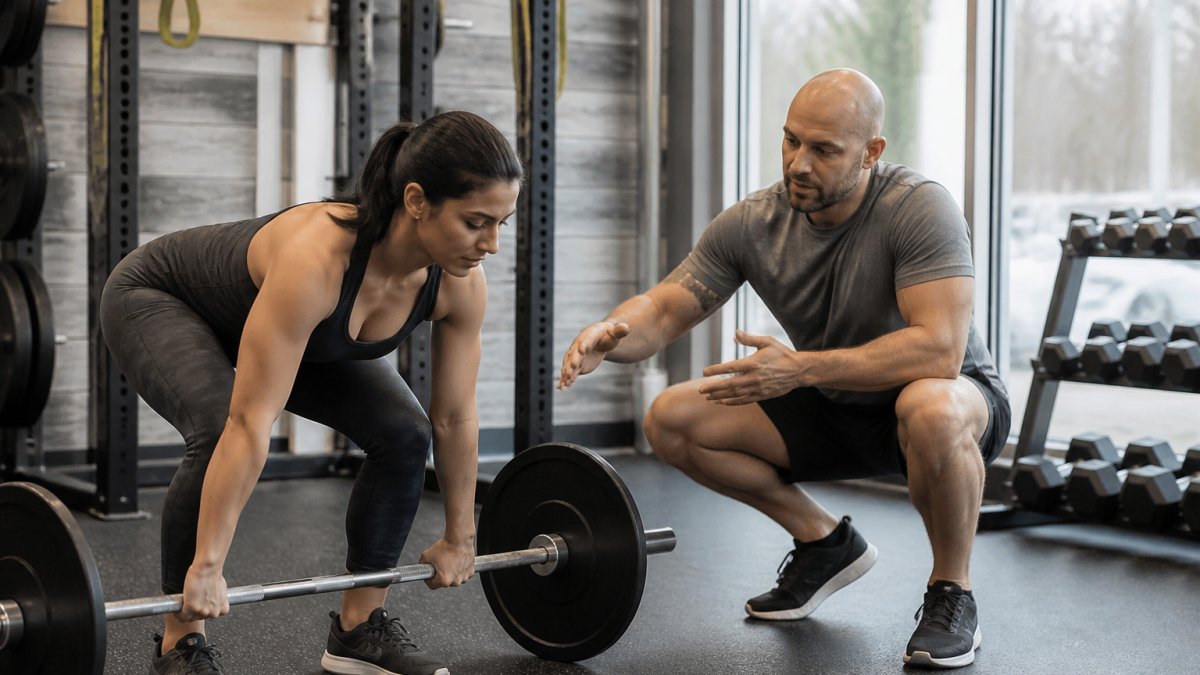
When seeking affordable personal training Roseville in Michigan, start by identifying what you actually need. Are you training for weight loss, athletic performance, injury recovery, or general fitness? Your goal shapes which trainer is right for you.
Next, build a short list of local options and verify them before you commit. A practical process looks like this:
- Confirm the service area. Many trainers list a city but only travel within a certain radius. Ask directly whether they serve your neighborhood and whether in-home sessions are available or studio-only.
- Check credentials and insurance. Legitimate trainers carry credentials from recognized organizations and hold current liability insurance. Ask which certification they hold and whether they are insured.
- Compare formats by cost and convenience. In-home training saves you travel time but may carry a travel fee. Studio sessions give you equipment access. Virtual sessions offer the most scheduling flexibility. Small group sessions lower the per-person cost while keeping individual attention.
- Read reviews with a filter. Look for comments about punctuality, program design, and how the trainer handles clients with limitations, not just star ratings.
- Ask about a trial. Many trainers offer a free consultation or a discounted first session. Use it to assess whether you click with them and whether they understand your situation.
Before your first consultation, prepare a short list of questions:
- What certifications do you hold, and are you insured?
- How do you assess progress, and what objective measures do you use?
- How will you modify exercises for my current fitness level?
- What is your cancellation policy and package terms?
- Do you offer small group or virtual options to lower the cost?
Ask about trial periods. Some studios let you do 2-3 sessions before committing to a package, giving you time to experience their style and see if it works for you.
Start with a realistic commitment. Don't sign a 12-week package if you've never stuck with fitness before. Commit to 4 weeks, prove to yourself you'll show up, then renew.
Get a clear program in writing. Your trainer should explain what you're doing, why you're doing it, and how they'll measure progress. Vague guidance ("just do what feels right") is a red flag.
Frequently Asked Questions
How much does affordable personal training typically cost?
Personal trainer cost varies widely based on session length, trainer experience, and whether you choose one-on-one or small group training. For current pricing on affordable personal training options, contact local studios directly or visit their websites to compare rates and any new client specials they may offer.
Is small group personal training cheaper than one-on-one training?
Yes, small group personal training typically costs less per person than one-on-one sessions because the trainer's fee is split among participants. Small group training limited to three clients still provides personalized attention and form correction while reducing your individual cost. This makes it an excellent option for those seeking affordable personal training without sacrificing quality instruction.
How often should I work with a personal trainer to see weight loss results?
Most fitness professionals recommend consistency over frequency. How often to see a personal trainer depends on your goals, budget, and starting fitness level. Many people see meaningful progress with two to three sessions per week, though even one session weekly combined with independent workouts can be effective. A trainer can help you design a plan that fits your schedule and budget while maximizing results.
What questions should I ask before hiring a personal trainer?
Key questions to ask a personal trainer include: What certifications do you hold? Do you have experience with my specific goals (weight loss, strength, athletic conditioning)? How do you modify exercises for injuries or limitations? What is your approach to nutrition guidance? Do you offer virtual training or flexible scheduling? What are your rates and payment options? These conversations help ensure you find a trainer whose approach and availability match your needs and budget.