 blog
5 StayFit Studios Alternatives for Personal Training
Last Updated: October 26, 2026
Quick Summary
Personal training alternatives include one-on-one coaching, small-group training, virtual sessions, and boot camps, each offering different benefits for customization, motivation, flexibility, and intensity. The right choice depends on matching your goals, schedule, and personality to the training format you'll actually stick with consistently.
- One-on-one training provides real-time form correction and personalized intensity adjustments but costs more and depends on trainer availability.
- Small-group training limited to three clients offers meaningful personalization with group motivation at a lower cost than one-on-one coaching.
- Virtual training via live Zoom sessions delivers real-time coaching without commute time, making it ideal for busy professionals and parents.
- Most effective training sessions last 30-60 minutes, and consistency with two to four sessions per week matters more than perfect frequency.
- Boot camps combine high-intensity group training with community accountability and time efficiency for measurable strength and endurance results.
Table of Contents
- Why People Look Beyond Stay Fit Studios for Personal Training
- How to Choose a Personal Trainer That Matches Your Goals
- One-on-One Personal Training: Customized Coaching for Maximum Results
- Small-Group Personal Training: Motivation and Accountability in Intimate Settings
- Personal Training Consultation Questions to Ask Before You Commit
- Personal Training Session Length and Frequency: Finding Your Rhythm
- Virtual Training and Boot Camps: Flexible Options for Busy Schedules
- Start Your Personalized Training Journey Today
- Frequently Asked Questions
Why People Look Beyond Stay Fit Studios for Personal Training
When you're searching for personal training alternatives, you're likely weighing more than just cost. You might be looking for flexible scheduling, a training style that fits your life, or an approach that actually delivers results. Many people discover that the right personal training alternative for personal training depends on what matters most to you: one-on-one attention, group motivation, virtual convenience, or a combination of all three.
At Xtreme Advantage Personal Training, we work with clients across all fitness levels, from beginners intimidated by traditional gyms to athletes pushing for peak performance. Understanding what drives that decision helps you find the right fit.
The fitness landscape has shifted dramatically. Virtual training now delivers results comparable to in-person sessions. Small-group training creates accountability without the cost of one-on-one coaching. Boot camps combine intensity with community. Finding the right personal training alternative means knowing what each option actually offers, and what it doesn't. The American Council on Exercise provides guidance on selecting qualified trainers to help you evaluate any option you're considering.
How to Choose a Personal Trainer That Matches Your Goals
Choosing the right personal trainer starts with clarity on what you actually want to achieve. Learn how to start your fitness journey as a beginner with proper trainer selection to set yourself up for success. Are you training for weight loss, muscle building, athletic performance, or general health? Your goal determines everything else: the training style, the session frequency, and the expertise you need.
Beyond goals, consider your lifestyle constraints. Do you have a consistent schedule, or do you need flexibility? Can you train in a studio, or do you need virtual options? Are you motivated by one-on-one accountability or by group energy? These factors matter as much as the trainer's credentials.
Start by asking yourself these questions before you commit: What's my primary fitness goal? How many days per week can I realistically train? Do I prefer working alone with a trainer or in a small group? What's my budget? Am I looking for in-person, virtual, or hybrid training? Once you answer these, you'll narrow down which personal training alternatives actually fit your life. The National Academy of Sports Medicine outlines trainer certification standards to help you verify qualifications.
One-on-One Personal Training: Customized Coaching for Maximum Results
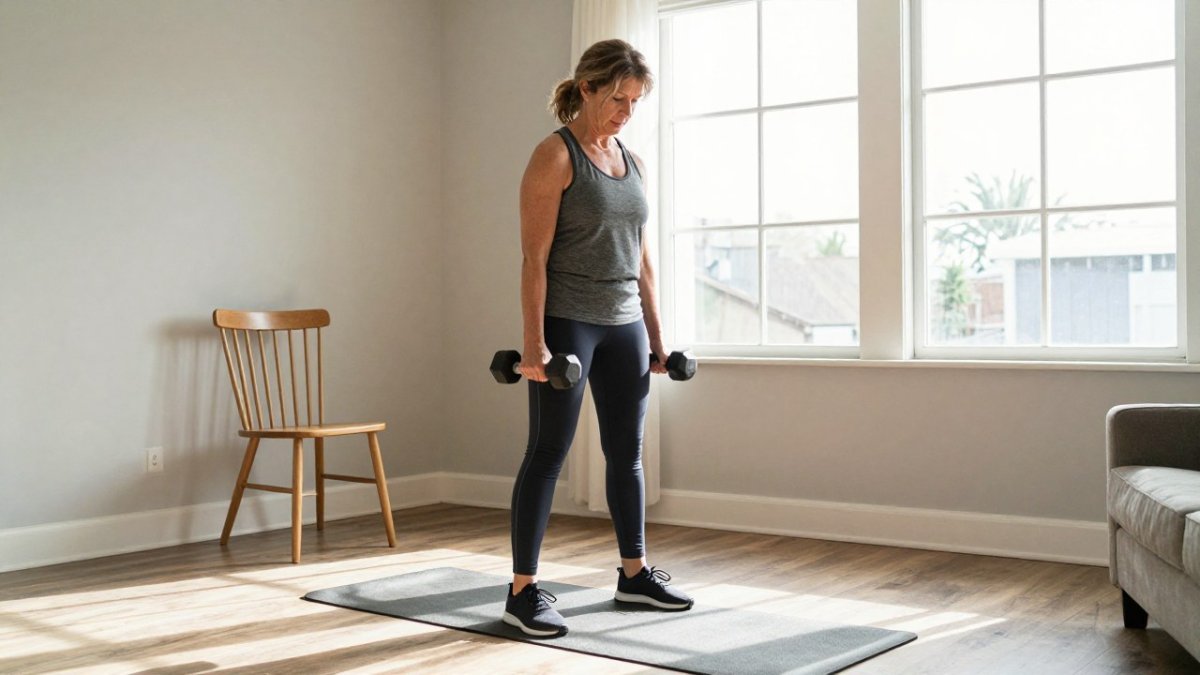
One-on-one personal training delivers what group classes and self-directed workouts cannot: real-time form correction, personalized intensity adjustments, and a training plan built specifically for your body and goals. A trainer watches every rep, catches imbalances before they become injuries, and pushes you exactly as hard as you need, not harder, not easier.
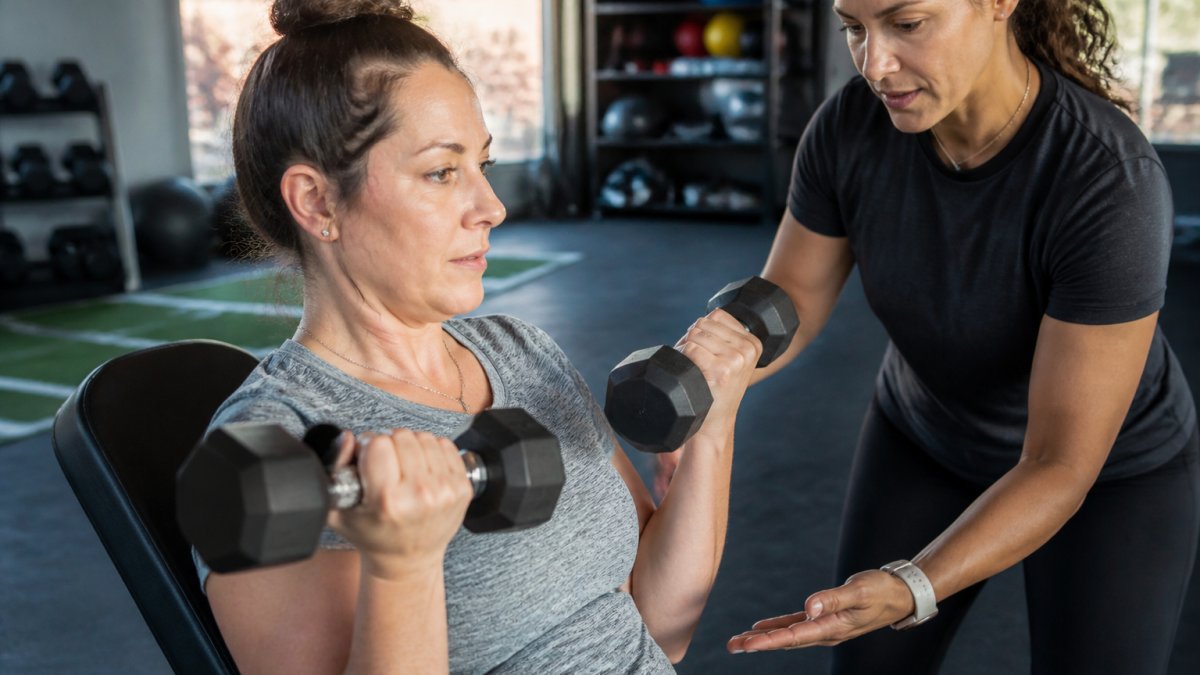
This level of customization matters. When a trainer knows your injury history, your movement patterns, and your specific weak points, they can design sessions that address what actually needs work. You're not following a generic program. You're following YOUR program. The precision monitoring of form and technique prevents compensatory movement patterns that lead to injury.
The trade-off is cost and scheduling. One-on-one training requires more investment than group options. You're also dependent on your trainer's availability. However, for people who've plateaued with other methods or who have complex fitness needs, the investment often pays for itself in results.
Small-Group Personal Training: Motivation and Accountability in Intimate Settings
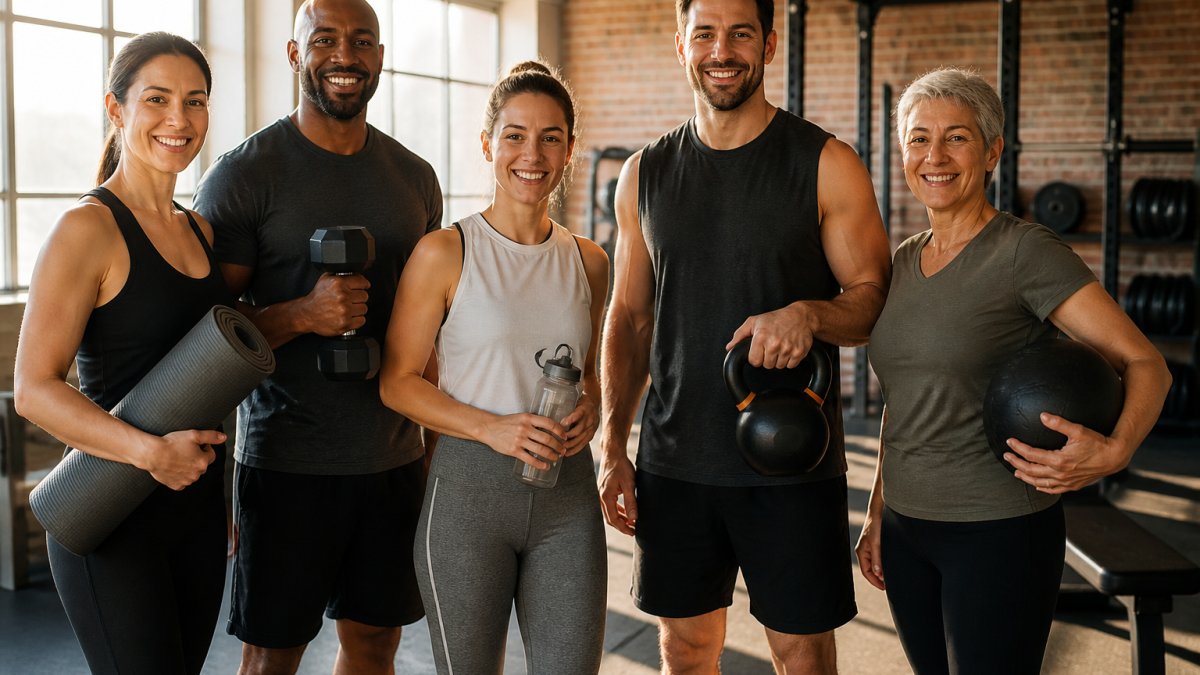
Small-group training sits in the sweet spot between one-on-one coaching and large fitness classes. When a group is limited to three clients, as ours are, the trainer can still provide meaningful form correction and personalization while the group dynamic creates motivation you don't get alone.
You're not anonymous in a small group. The trainer knows your name, your goals, and your capabilities. They can scale exercises for different fitness levels within the same session. You push harder because others are pushing too. You show up because you don't want to let your group down. This accountability factor keeps people consistent, and consistency beats intensity every single time.
Small groups cost less than one-on-one training but more than large classes. They work especially well for people who need some personalization but thrive on community energy. If you've failed at solo training programs or felt lost in large group fitness classes, this middle ground often clicks. Research on group fitness adherence from the Journal of Sports Sciences shows that intimate group settings increase long-term compliance compared to solo training.
Personal Training Consultation Questions to Ask Before You Commit
Before you sign up with any trainer or studio, have a consultation. This conversation tells you whether they understand your goals and whether their approach matches your needs. Here are the questions that matter:
What certifications do you hold, and from which organizations? A legitimate trainer should have credentials from recognized bodies like ACE, The Cooper Institute, NASM, or ISSA. Be advised that certifications isn’t the only thing, experience is just as important.
How do you assess where I'm starting from? A good trainer performs a movement assessment before designing your program. They don't just hand you a generic routine. They identify imbalances, limitations, and compensatory patterns.
How often would you recommend I train, and why? The answer should be based on YOUR goals and schedule, not a one-size-fits-all recommendation. If they push you toward more sessions than you can realistically maintain, that's a red flag.
Do you provide nutritional guidance, or do I need to hire a separate nutritionist? Understand what's included. At Xtreme Advantage Personal Training, we offer nutritional guidance programs as an option because what you eat directly impacts your results for those interested in weight loss or weight gain (everyone isn’t seeking this).
How do you measure progress beyond the scale? Weight is one metric, but it's not the only one. Ask about body composition, strength gains, endurance improvements, or health marker changes like blood pressure.
What happens if I hit a plateau? A skilled trainer has strategies to break through stagnation. If they can't explain how they'd adjust your program, move on.
Personal Training Session Length and Frequency: Finding Your Rhythm
There's no universal "best" session length or frequency. It depends on your goals, your schedule, and your recovery capacity. However, some patterns emerge.
Most training sessions typically last 30-60 minutes. This timeframe allows for a proper warm-up, focused work on your primary goal, and adequate cool-down. Sessions shorter than 30 minutes or longer than 90 minutes may have varying effectiveness depending on the individual and training style.
Frequency depends on intensity and recovery. Someone doing moderate-intensity training three times per week may see consistent results. However, training too frequently without adequate recovery can hinder progress. Many people find consistent progress with two to four training sessions per week, depending on intensity and other activities.
The real answer: start with what you can actually do consistently. Two sessions per week that you never miss beats four sessions per week that you skip half the time. Consistency matters more than the perfect frequency. As you build the habit, you can adjust up or down based on results.
Virtual Training and Boot Camps: Flexible Options for Busy Schedules
Virtual training has moved beyond "better than nothing" into genuinely effective territory. Live virtual training via Zoom with direct verbal interaction from a trainer delivers real-time coaching. They see your form on camera, they hear your effort level, they can adjust intensity in the moment.
Virtual training solves the scheduling problem. No commute. No studio hours limiting when you can train. You can train from home, your office, or anywhere with space and an internet connection.
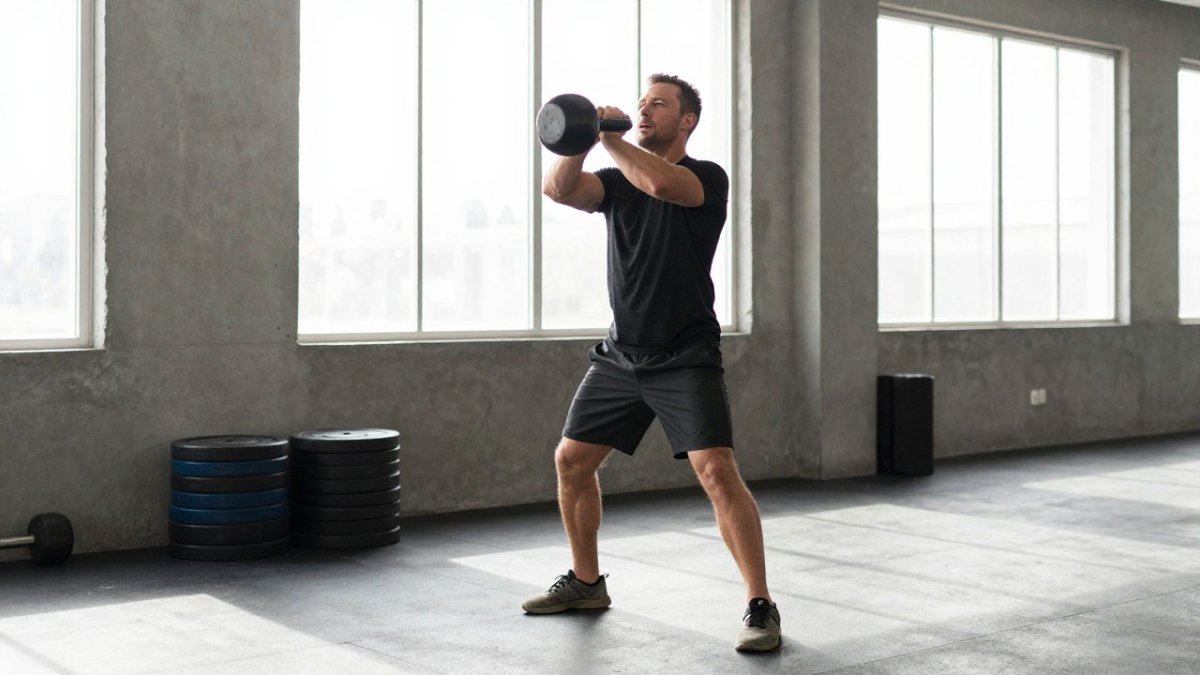
Boot camps take a different approach: high-intensity group training designed to build strength, endurance, and mental toughness. They're time-efficient, community-driven, and produce measurable results. If you thrive on intensity and group energy, boot camps often deliver faster progress than solo training. The American Heart Association recommends high-intensity interval training for cardiovascular fitness.
Xtreme Advantage Personal Training offers both live virtual training with direct interaction and boot camp classes for clients who need flexibility or prefer group intensity. You get the same precision coaching, just in a format that fits your life.
Personal training alternatives offer different formats to match your schedule and training style.
Training Format | Best For | Key Difference |
|---|---|---|
Customized coaching and form correction | Real-time adjustments for your specific body and goals | |
Motivation with personalization | Limited to three clients for meaningful form correction | |
Busy schedules and flexibility | Live coaching via Zoom with real-time verbal interaction | |
High-intensity group training | Time-efficient, community-driven, builds strength and endurance |
Start Your Personalized Training Journey Today
Finding the right personal training alternative comes down to matching your goals, your schedule, and your personality to the right training format. One-on-one coaching, small groups, virtual sessions, or boot camps, each has genuine advantages. The best choice is the one you'll actually stick with.
The biggest mistake people make is choosing based on price alone. The right option is the one that balances effectiveness, cost, and consistency.
At Xtreme Advantage Personal Training, we've built our approach around this reality. We offer customized personal training, small-group sessions limited to three clients, live virtual training, and boot camps, all with flexible on-demand scheduling and optional nutritional guidance plans. We also offer discounts for military, first responders, and seniors because we believe fitness should be accessible.
Contact us now to discuss your goals and find the right training format for your life. We'll assess where you're starting, clarify what you actually want to achieve, and build a plan that works with your schedule, not against it. Your transformation starts with choosing the right approach, and the right team to guide you through it.
Frequently Asked Questions
What makes one personal training studio different from another?
The key differences lie in trainer expertise, customization level, group size limits, and scheduling flexibility. Studios that offer nutritional guidance, form monitoring, and flexible on-demand scheduling provide more comprehensive support. Ask whether trainers assess your current fitness level and health markers before designing your program, and whether they adjust workouts based on your progress. Small-group personal training limited to three clients typically allows more individual attention than larger classes.
How do I know if small-group personal training is right for me?
Small-group personal training works well if you want accountability and motivation from peers without the cost of one-on-one sessions. It's ideal for people who feel intimidated by large gym classes but need social support. However, if you have specific health conditions, form concerns, or need highly personalized modifications, one-on-one personal training provides more precise monitoring of technique and faster progress toward your goals.
Can virtual personal training deliver the same results as in-person sessions?
Yes, when delivered through live video with direct trainer interaction. The trainer can see your form, provide real-time verbal cues, and adjust your workout on the spot. Virtual training works best for cardio, functional movements, and bodyweight exercises. It's particularly valuable for busy professionals and parents who can't travel to a studio, and it offers the flexibility to train from home or your office with just 12 hours' notice to schedule.
What personal training consultation questions should I ask before hiring a trainer?
Ask about their certifications, experience with your specific goals (weight loss, athletic conditioning, strength & conditioning), and how they assess fitness levels. Inquire whether they provide nutritional guidance and how often they adjust your program based on results. Ask about their approach to form correction and injury prevention. Find out their cancellation policy, scheduling flexibility, and whether they work with clients who have health conditions like high blood pressure. Request a trial session or package to evaluate whether their coaching style motivates you.
The right personal training alternative is out there. It's not about finding a perfect studio or a perfect trainer. It's about finding an approach that matches who you are and what you need right now.